
Oil and gas exploration is far more than drilling a hole in the ground—it’s a highly engineered process that depends on specialized oilfield equipment and advanced technologies. From managing reservoir inflow to controlling sand production, every component plays a critical role in ensuring safe, efficient, and productive operations.
This guide breaks down the key types of oilfield equipment used in exploration, along with their functions and importance in modern upstream operations.
Key Oilfield Equipment Used in Exploration
Exploration and early-stage production rely on a combination of tools that work together to optimize performance and maintain well integrity. These include:
Inflow control devices (ICDs)
Sand screens and filtration systems
Gravel pack systems
Plug and abandonment (P&A) tools
Drilling and logging equipment
Each of these components contributes to efficient hydrocarbon recovery while minimizing operational risks.
How Inflow Control Devices Improve Exploration Efficiency
Inflow Control Devices (ICDs) are essential for managing how fluids enter the wellbore from the reservoir. By regulating flow distribution, ICDs help maintain production balance across the well.
Benefits of Inflow Control Devices
Optimize hydrocarbon production
Reduce water and gas breakthrough
Improve long-term reservoir performance
Minimize uneven drainage
By incorporating ICDs into completion design, operators can significantly enhance well efficiency and extend productive life.
Why Sand Screens Are Critical in Oil and Gas Operations
Sand production is a major challenge in many reservoirs, particularly in unconsolidated formations. Without proper control, sand can damage equipment, restrict flow, and increase maintenance costs.
Functions of Sand Screens
Filter out formation sand while allowing hydrocarbons to flow
Protect downhole and surface equipment
Maintain consistent production rates
Extend the life of the well
Modern sand screens and oil & gas filtration systems are designed to deliver reliable performance even in harsh operating conditions.
The Role of Cased Hole Gravel Packs
A cased hole gravel pack is one of the most effective sand control methods used in oilfield operations.
Key Advantages
Stabilizes the formation surrounding the well
Prevents sand from entering the production stream
Enhances productivity and flow efficiency
In this method, gravel is placed between the screen and the wellbore wall, forming a strong barrier that blocks sand while allowing fluids to pass. It is especially effective in weak or unconsolidated reservoirs.
How Plug and Abandonment Ensures Safety
At the end of a well’s lifecycle, proper closure is essential. This is achieved through Plug and Abandonment (P&A) procedures.
Importance of Plug and Abandonment
Prevents environmental contamination
Ensures long-term well integrity
Meets regulatory and compliance standards
The process involves placing cement plugs to isolate different zones within the well, ensuring that fluids cannot migrate between formations or to the surface.
Other Essential Oilfield Equipment in Exploration
In addition to the core systems, several supporting tools are critical for successful exploration:
Common Supporting Equipment
Drilling rigs for well construction
Well logging tools for reservoir evaluation
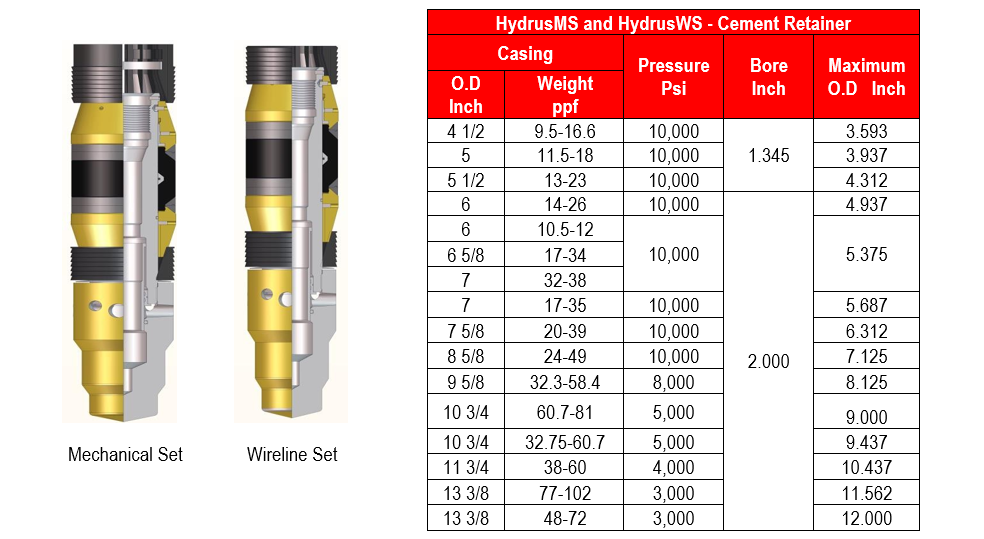
Completion tools for preparing wells for production
Pressure control equipment for safe operations
Together, these technologies create an integrated system that enables efficient exploration and production.
Why Oilfield Equipment Matters
The success of any exploration project depends heavily on the quality and integration of its equipment. Properly selected and deployed tools help operators:
Maximize hydrocarbon recovery
Reduce operational risks
Improve efficiency and uptime
Ensure environmental and regulatory compliance
In today’s challenging energy landscape, investing in the right oilfield equipment is key to achieving long-term performance and profitability.
Frequently Asked Questions (FAQs)
1. What is the purpose of an inflow control device?
An inflow control device regulates the flow of fluids into the wellbore, improving efficiency and preventing unwanted water or gas production.
2. How do sand screens protect oil wells?
Sand screens filter out sand particles, protecting equipment and maintaining smooth production flow.
3. When is a cased hole gravel pack used?
It is used in formations prone to sand production to stabilize the well and enhance output.
4. What happens during plug and abandonment?
The well is permanently sealed using cement plugs to prevent leaks and environmental hazards.
5. Why is oilfield equipment important in exploration?
It ensures safe, efficient, and optimized extraction of oil and gas resources.
Enhancing Exploration Efficiency with the Right Equipment
Oilfield exploration is a complex, high-stakes process that depends on the seamless integration of specialized equipment. From inflow control devices and sand management systems to gravel packs and plug and abandonment tools, each component plays a critical role in ensuring safe and efficient operations.
When these technologies are carefully selected and deployed, operators can reduce risk, improve production performance, and extend the lifecycle of their wells.
Ultimately, the right oilfield equipment doesn’t just support exploration—it drives smarter decisions, greater efficiency, and long-term operational success.

Write a comment ...