
Oil and gas wells are dynamic systems—what starts as a naturally flowing well eventually faces declining reservoir pressure. As formation energy reduces, production rates drop, and wells risk becoming uneconomical.
This is where artificial lift systems play a critical role. By enhancing fluid movement and maintaining pressure balance, these systems help operators extend the productive life of wells, improve recovery, and optimize long-term performance.
With the right combination of gas lift systems, plunger lift technologies, and completion equipment, operators can unlock additional value from mature assets.
What Is an Artificial Lift System?
An artificial lift system is designed to provide the additional energy required to bring hydrocarbons to the surface when natural reservoir pressure is no longer sufficient.
Instead of allowing wells to decline prematurely, artificial lift technologies:
Maintain stable production rates
Improve reservoir drainage
Enhance recovery from mature fields
Reduce downtime and intervention costs
These systems are essential for maximizing output across the entire lifecycle of a well.
Why Do Wells Need Artificial Lift?
As reservoirs deplete, pressure declines naturally over time. Without intervention:
Fluids struggle to reach the surface
Liquid loading restricts gas flow
Production becomes unstable and inefficient
Artificial lift systems compensate for this loss by improving fluid dynamics within the wellbore, ensuring continued production even under challenging conditions.
How Gas Lift Systems Improve Production Efficiency
Gas lift is one of the most widely used artificial lift methods in the oil and gas industry due to its flexibility and reliability.
How Gas Lift Works
Gas is injected into the production tubing, reducing the density of the fluid column and enabling hydrocarbons to flow more easily to the surface.
Key Components of a Gas Lift System
Control the injection of gas at specific depths to optimize lifting efficiency
Provide the housing for valves, allowing installation and retrieval without pulling the tubing string
Advantages of Gas Lift
Ideal for high-volume wells
Performs well in deviated and offshore wells
Flexible across varying production rates
Lower mechanical complexity compared to other lift methods
Because of these advantages, gas lift systems remain a preferred choice for extending well productivity across diverse field conditions.
How Plunger Lift Systems Improve Well Performance
Plunger lift systems are widely used in gas wells where liquid accumulation restricts flow.
How Plunger Lift Works
Gas pressure builds beneath the plunger
The plunger lifts accumulated liquids to the surface
Fluids are removed at the wellhead
The cycle repeats
Benefits of Plunger Lift
Reduces liquid loading in gas wells
Improves gas production rates
Operates with minimal external energy
Low maintenance and operating cost
With increasing focus on cost-efficient production, plunger lift systems have become a key solution for extending the life of aging gas wells.
Role of Completion Tools in Artificial Lift Performance
The success of any artificial lift system depends heavily on proper well completion design.
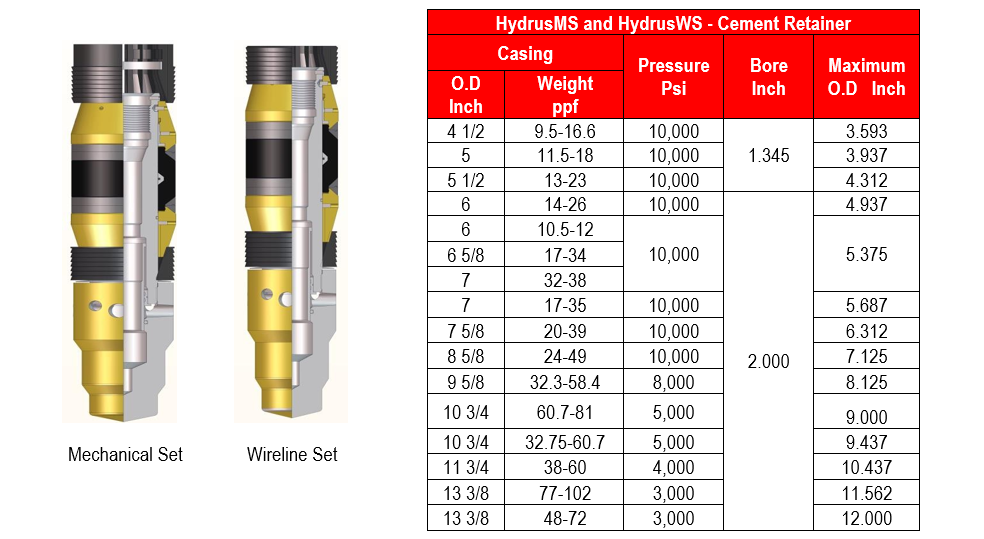
Packers – Provide zonal isolation and pressure control
Tubing Anchors – Stabilize tubing and reduce movement
Flow Control Devices – Regulate inflow and pressure distribution
These components ensure that artificial lift systems operate efficiently, safely, and consistently throughout the well’s lifecycle.
Best Practices to Extend Well Production Life
To maximize the benefits of artificial lift systems, operators should adopt a strategic and data-driven approach:
Monitor reservoir pressure and production trends regularly
Select lift systems based on well conditions and fluid characteristics
Conduct routine inspection and maintenance of equipment
Optimize lift parameters as reservoir conditions evolve
With the right planning and execution, artificial lift systems can significantly extend the economic life of wells.
Frequently Asked Questions (FAQ)
What is an artificial lift system in oil and gas?
An artificial lift system helps bring fluids to the surface when natural reservoir pressure is insufficient for production.
When should artificial lift be installed?
Artificial lift is typically introduced when production declines due to falling reservoir pressure or liquid loading.
Why is gas lift widely used?
Gas lift systems are flexible, reliable, and suitable for high-volume and complex wells, including offshore applications.
What makes plunger lift systems effective?
Plunger lift systems use natural gas pressure to remove liquids, improving flow with minimal energy consumption.
How do completion tools support artificial lift?
Completion tools ensure well stability, pressure control, and efficient operation of lift systems.
Conclusion:
Artificial lift systems are essential for sustaining production in modern oil and gas operations. By combining gas lift, plunger lift, and advanced completion technologies, operators can significantly extend the productive life of wells while improving efficiency and reducing operational risks.
As reservoir challenges continue to evolve, the emphasis is increasingly on integrated, engineered solutions that align with real field conditions and long-term performance goals.
With a focus on engineering-driven design, robust manufacturing, and field-aligned solutions, SAZ Oil continues to support operators in enhancing well performance through reliable artificial lift and completion technologies—ensuring consistency, efficiency, and long-term value across diverse operating environments.

Write a comment ...